
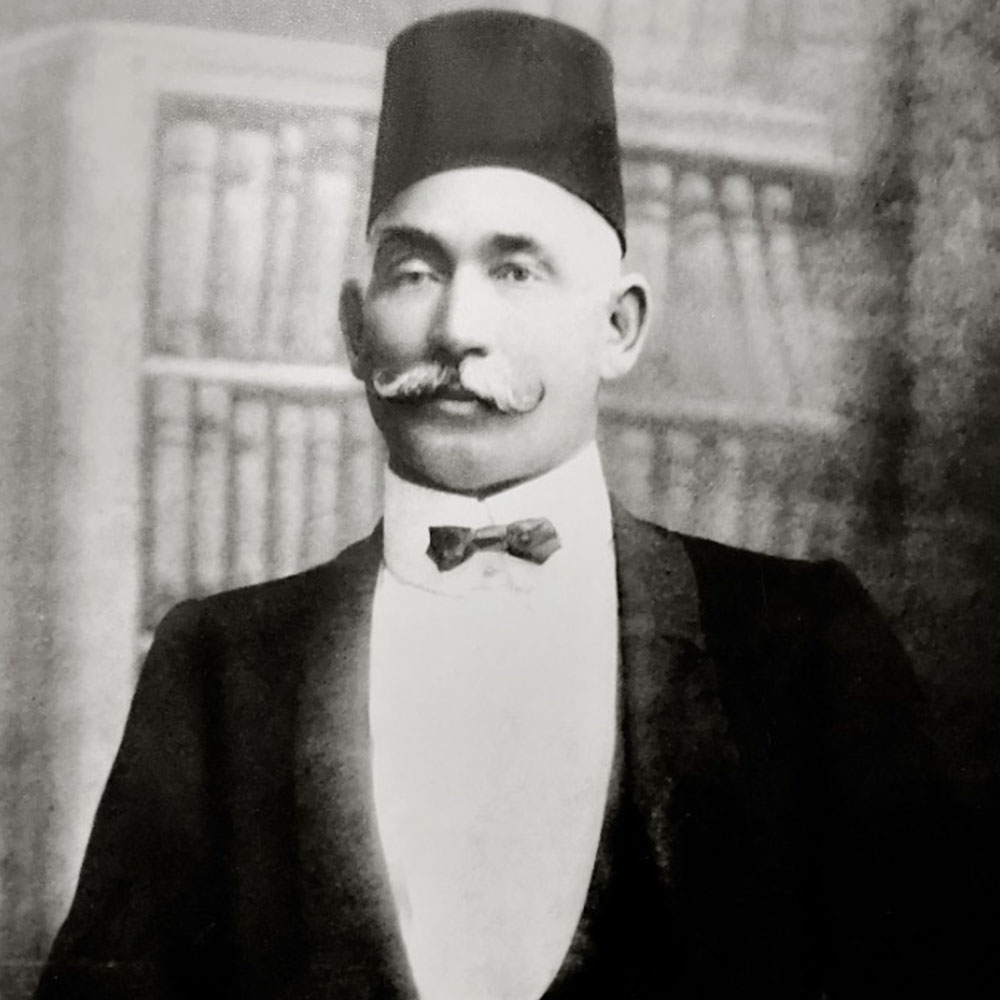
1912
Ibrahim El Helbawy
The first president of the Bar for the National Courts. His election in 1912 marked an important stage in the institutional development of Egyptian advocacy.
A gallery of advocates, judges, legal scholars and codifiers from Egypt, the Arab world and beyond.
1912
The first president of the Bar for the National Courts. His election in 1912 marked an important stage in the institutional development of Egyptian advocacy.
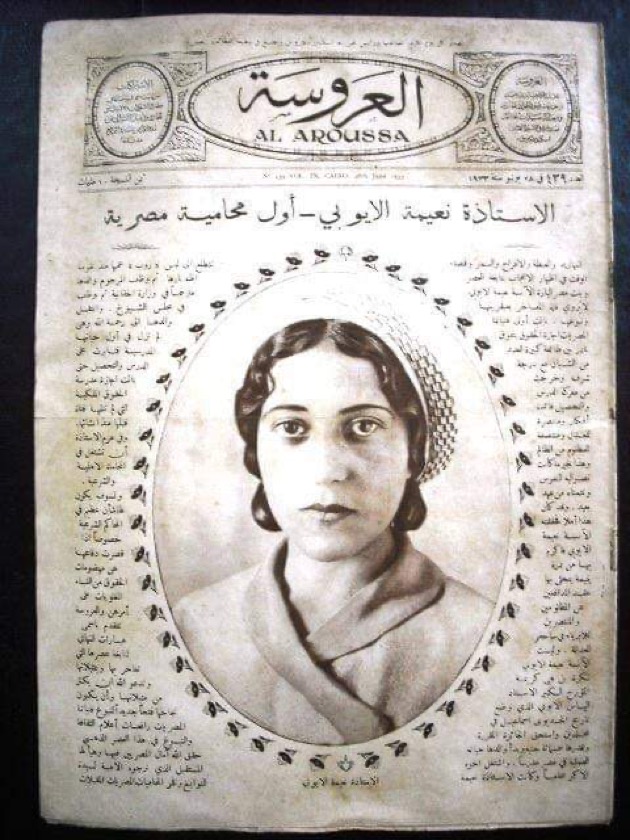
1933
A pioneer of Egyptian advocacy. She joined Fuad I University among its first women students and drew public attention after graduating in law in 1933.
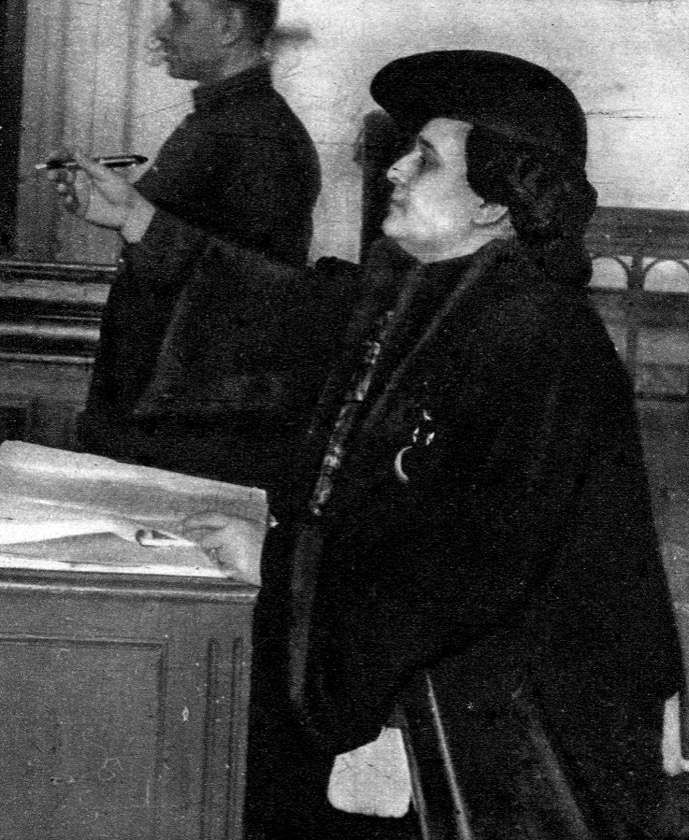
1914–2002
A pioneer of Egyptian litigation who appeared before the Court of Cassation and military courts. Her career combined legal practice and parliamentary work.
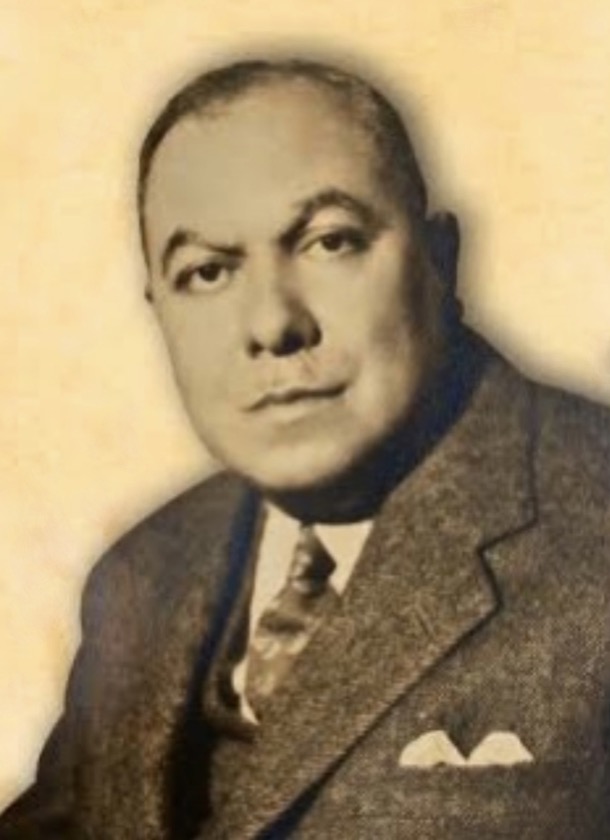
1895–1971
An Egyptian jurist who led work on the Egyptian Civil Code enacted in 1948. His multi-volume commentary explained the Code, and he also contributed to civil codification elsewhere in the Arab world, including Iraq, and headed the Egyptian State Council from 1949 to 1954.
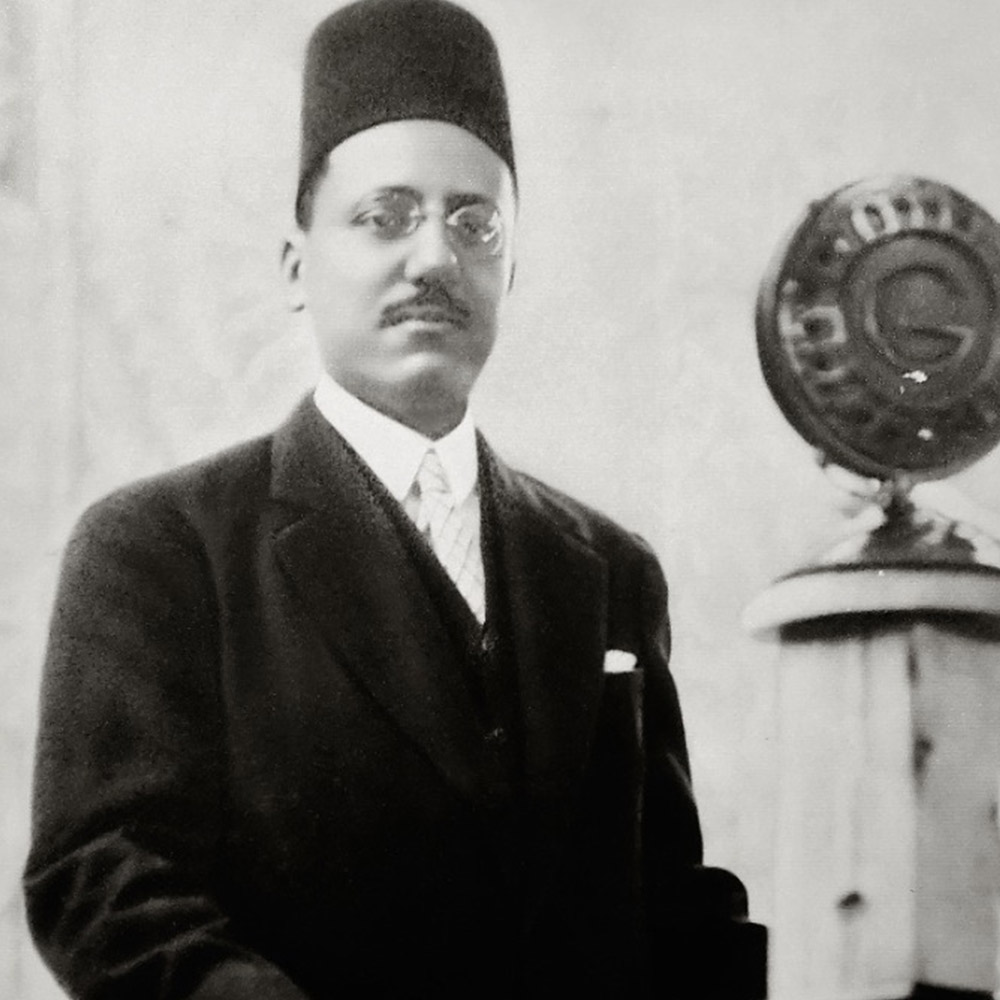
1933–1936
An Egyptian advocate who combined courtroom practice with public life. He headed the Egyptian Bar from 1933 to 1936 and was a prominent figure in the national movement and the Wafd Party.
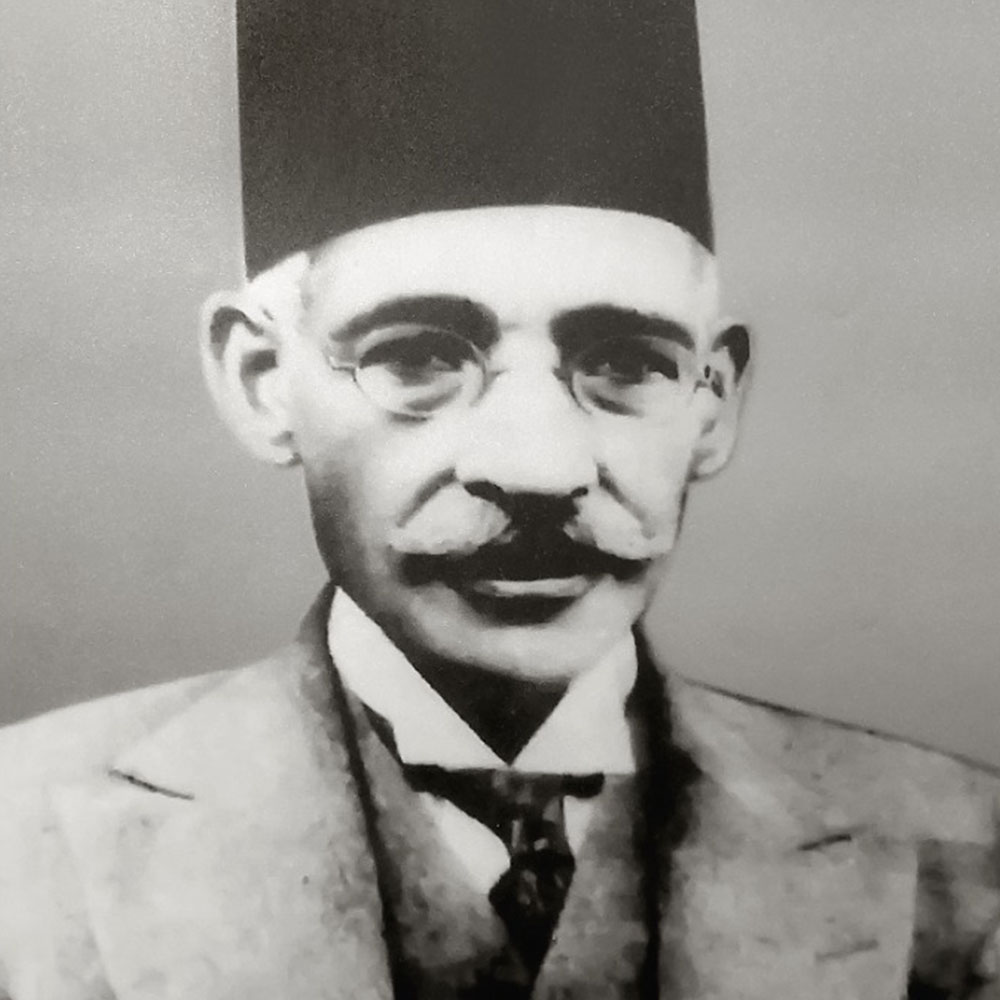
1913 · 1931
Egypt’s second Bar president combined legal practice with judicial work and became the first president of the Court of Cassation when it was established in 1931.
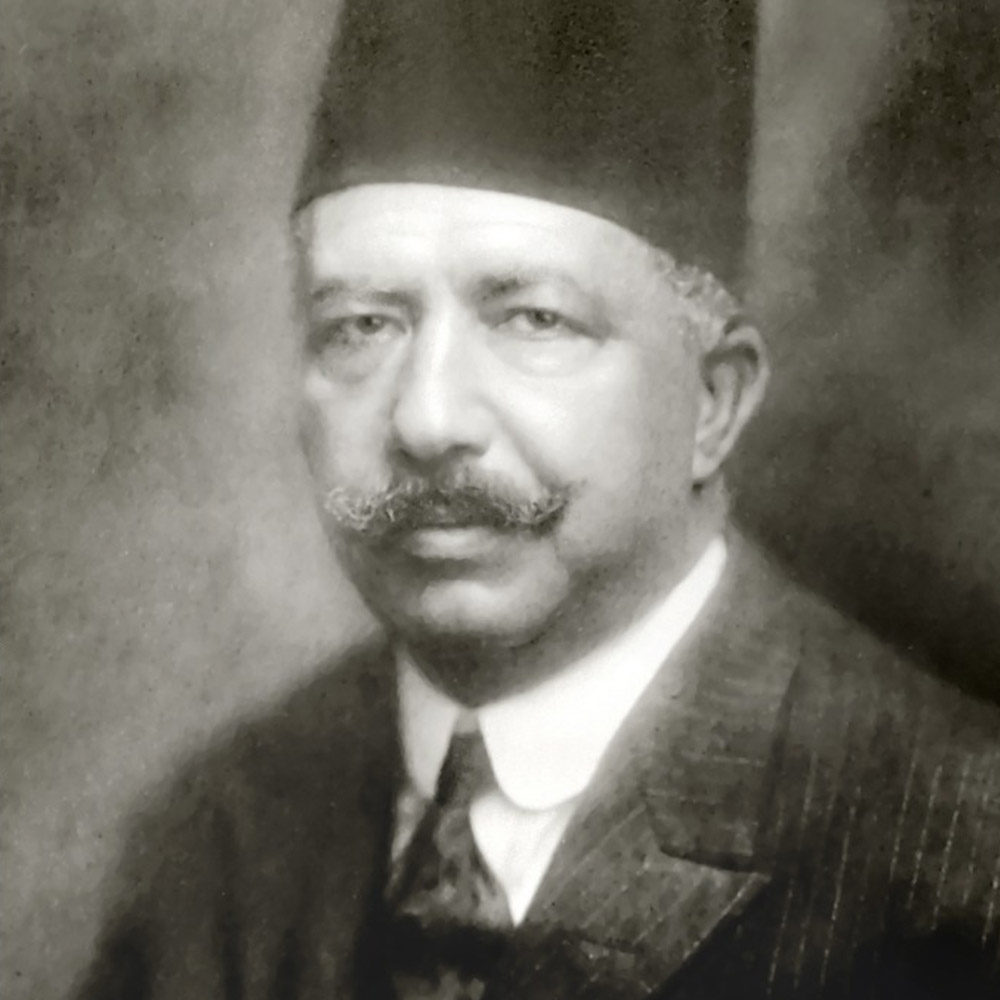
1919 · 1925
A member of the Egyptian Bar’s first council in 1912, he was elected president in 1919 and returned to the office in 1925. He combined bar leadership with public service.
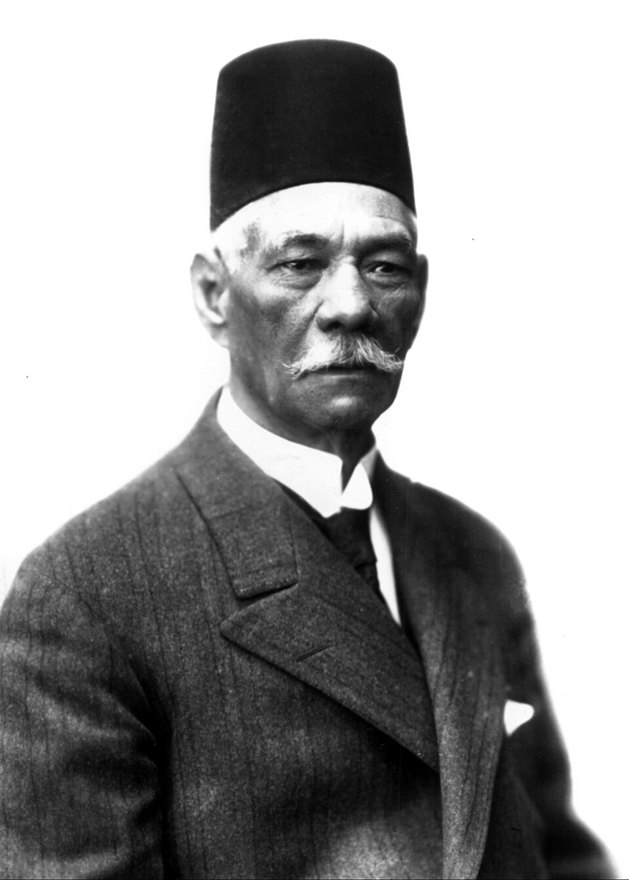
1858–1927
He practised law and served as a judge before becoming minister of education and then justice. He led the Egyptian delegation demanding independence, was a central figure in the 1919 Revolution and became prime minister in 1924.
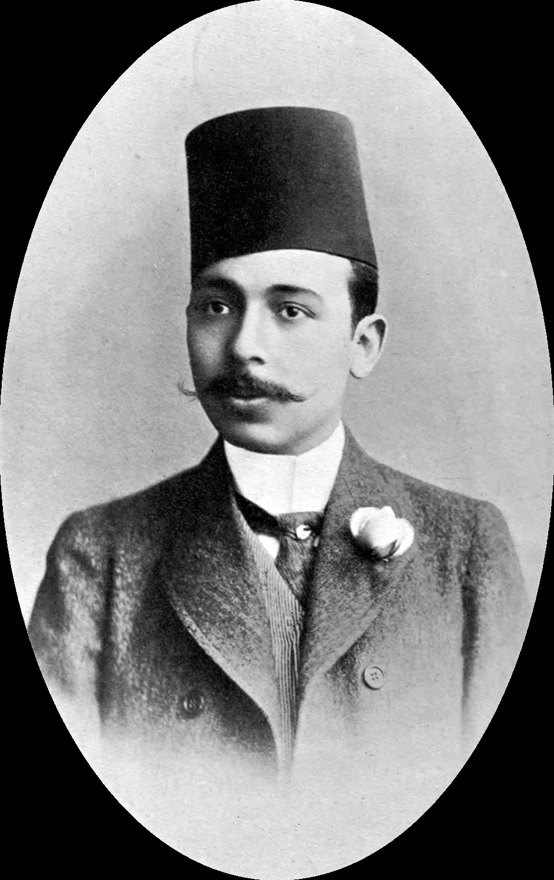
1874–1908
He studied law in Egypt and France and graduated in law at Toulouse. He founded Al-Liwa in 1900 and the National Party in 1907, and advocated establishing an Egyptian university.
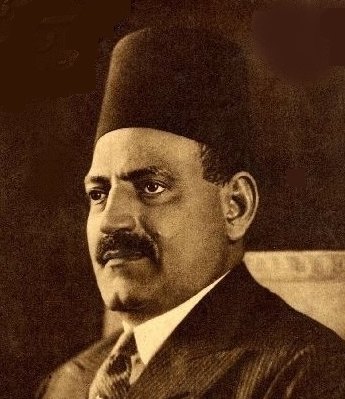
1879–1965
He began in legal practice and served as a judge before becoming a Wafd leader. He succeeded Saad Zaghloul as party leader, headed several governments and helped establish the Arab League.
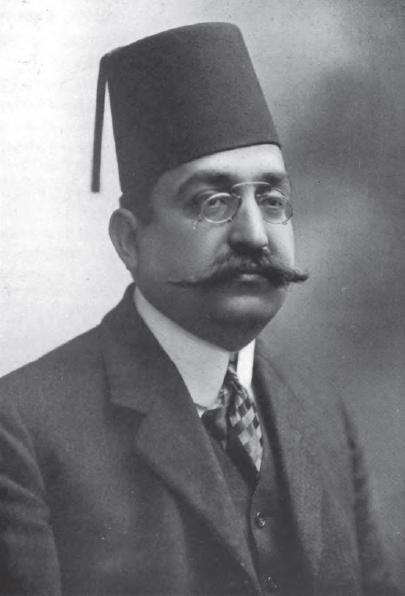
1868–1919
An Egyptian lawyer and historian who led the National Party after Mustafa Kamil’s death in 1908. He supported labour organization and popular education and continued campaigning for independence until his death in Berlin.
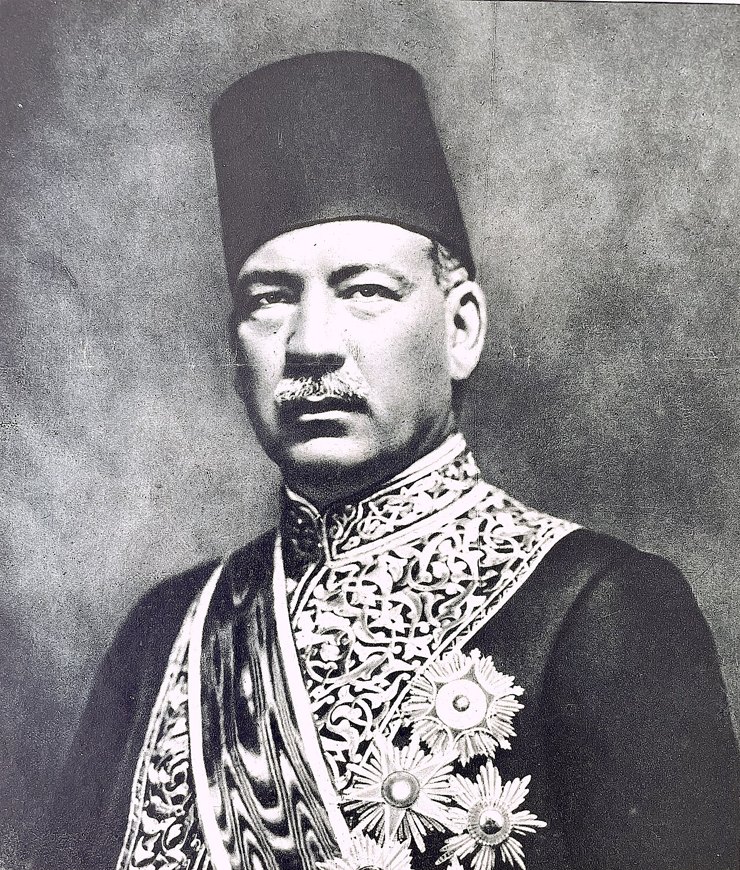
1873–1928
He studied law and worked in judicial administration at the Ministry of Justice. He became prime minister in 1922 and again in 1927, and helped steer the period following the end of the British protectorate.
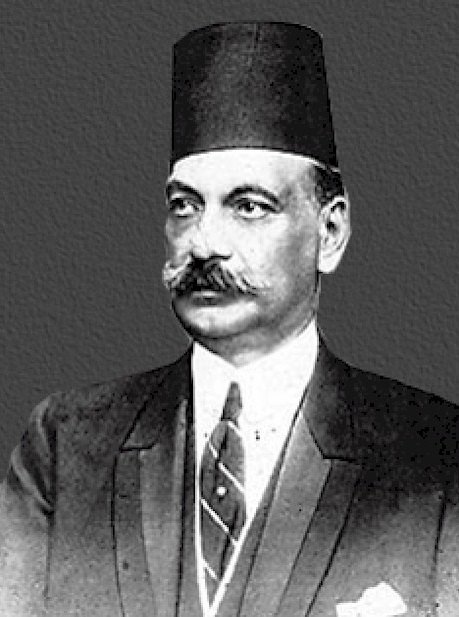
1921 · 1926 · 1929
He served three times as prime minister, helped lead the Anglo-Egyptian negotiations of 1921 and was among the founders of the Liberal Constitutional Party.
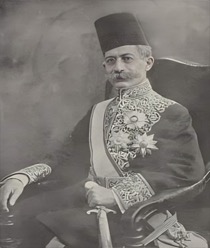
c. 1870–1944
He studied law in France, served as a prosecutor and judge and became public prosecutor in 1919. He later became the first president of Cairo’s Academy of the Arabic Language.
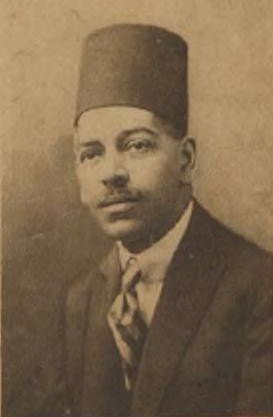
1878–1958
He studied law in France and practised in Egypt on his return. He took part in the nationalist movement and served as foreign minister under Saad Zaghloul in 1924 and in later Wafd governments.
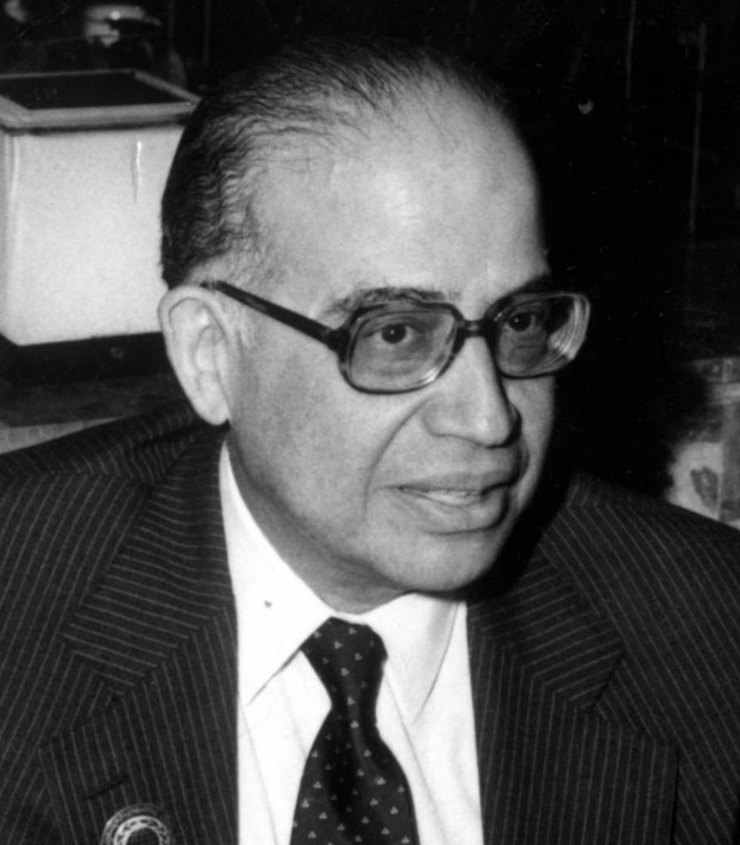
1923–2013
A law graduate of Alexandria University, he earned a doctorate in international law at the University of Paris in 1951. He represented Egypt at the United Nations and later served as foreign minister and Arab League secretary-general.
Civil law
An Egyptian civil-law scholar whose writing covered legal theory, obligations, evidence and civil liability. His works include Al-Wafi, a commentary on civil law.
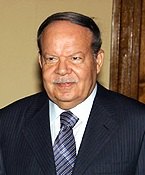
1932–2024
A professor of criminal law at Cairo University and an advocate before the Court of Cassation. His works include studies of procedural invalidity and a treatise on criminal procedure.
1928–2004
A professor of criminal law who served as law dean and president of Cairo University. He wrote on criminal law, criminal procedure and criminal intent.

1922–2006
An Egyptian advocate and former Bar council member. He defended civil liberties and workers’ and farmers’ rights, including in the case arising from the 1986 railway strike.
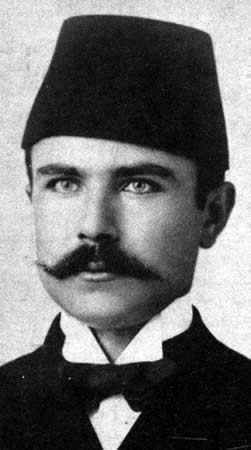
1873–1962
He practised law in Damascus and taught law before serving as prime minister of Syria and representing the country at the United Nations.

1903–2000
He studied law in Paris and returned to Tunisia, where he trained in legal practice. He later entered nationalist politics and became the first president of the Tunisian Republic in 1957.

1927–2020
A Tunisian-French lawyer who defended Djamila Boupacha during the Algerian War of Independence. Her advocacy in the 1972 Bobigny trial helped shape the French debate on women’s rights.
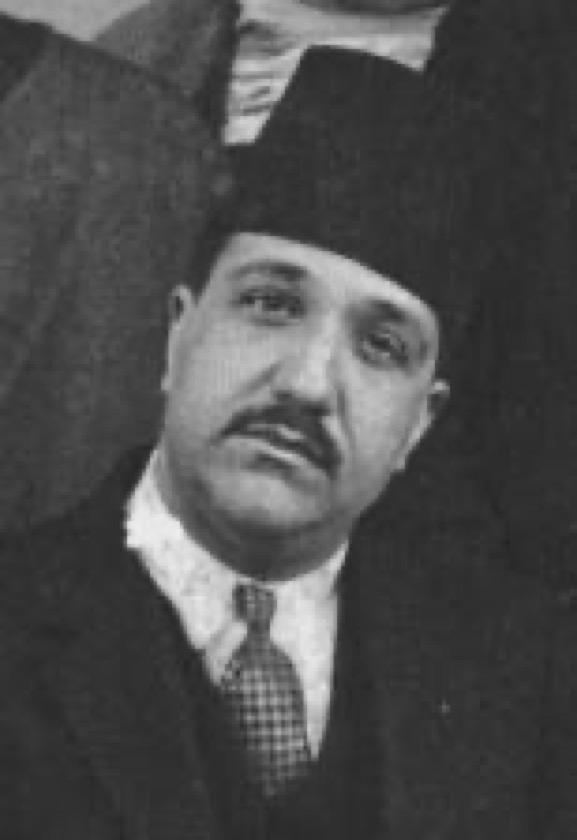
1922–1930
A Tunisian lawyer and a leader of the Destour Party under the French protectorate. His office was among the practices where Habib Bourguiba trained after returning from Paris.
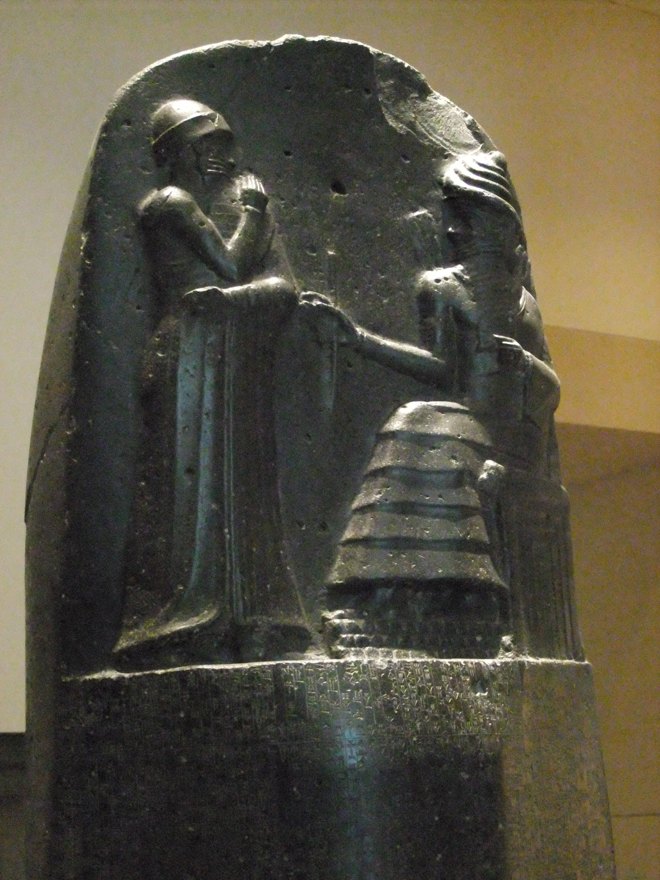
1792–1750 BC
The Babylonian king associated with a law collection inscribed on a stele. Its provisions address commerce, family relations and injury, and it is among the earliest surviving legal collections. The relief shows Hammurabi before Shamash.
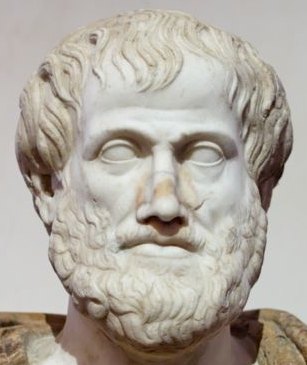
384–322 BC
In the Nicomachean Ethics he discussed distributive and corrective justice and distinguished natural from conventional justice. In Politics he examined how law relates to constitutional government.
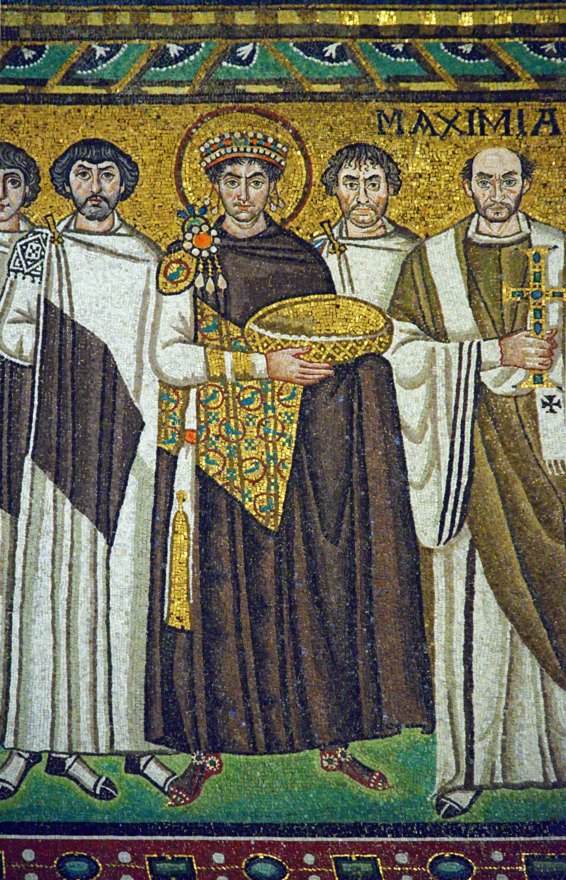
527–565
The Eastern Roman emperor commissioned the collection and revision of Roman law. The works later known as the Corpus Juris Civilis became a major source in the development of civil-law traditions.
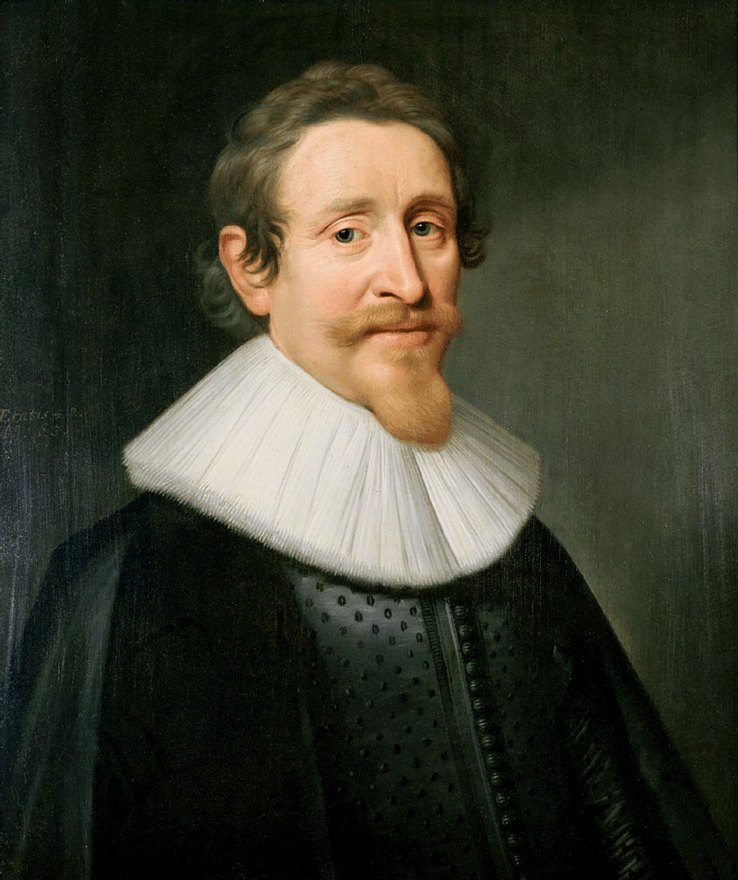
1583–1645
A Dutch jurist who examined the rules of war and peace and the limits of force in his 1625 treatise. His natural-law writings influenced international legal thought.
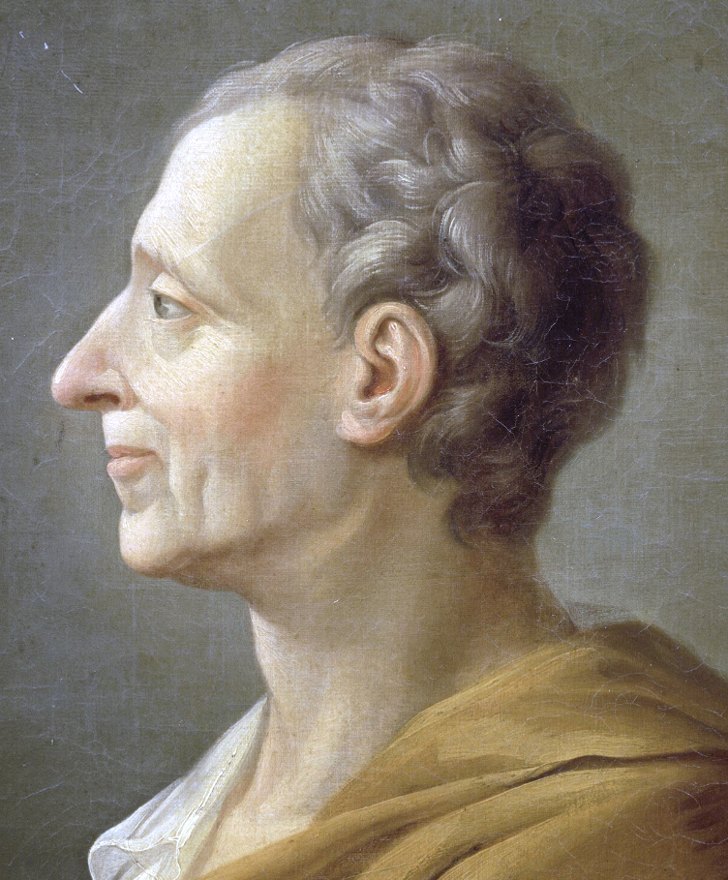
1689–1755
In The Spirit of the Laws (1748) he examined power and liberty and the risks of concentrating legislative, executive and judicial functions. His analysis influenced modern constitutional thought.
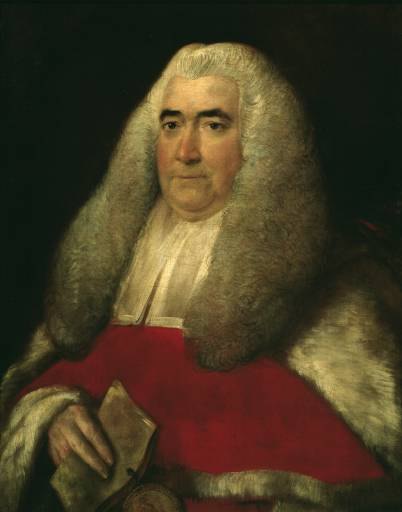
1723–1780
An English judge and jurist who organized English law in his Commentaries on the Laws of England, an influential historical reference for the common law in Britain and America.
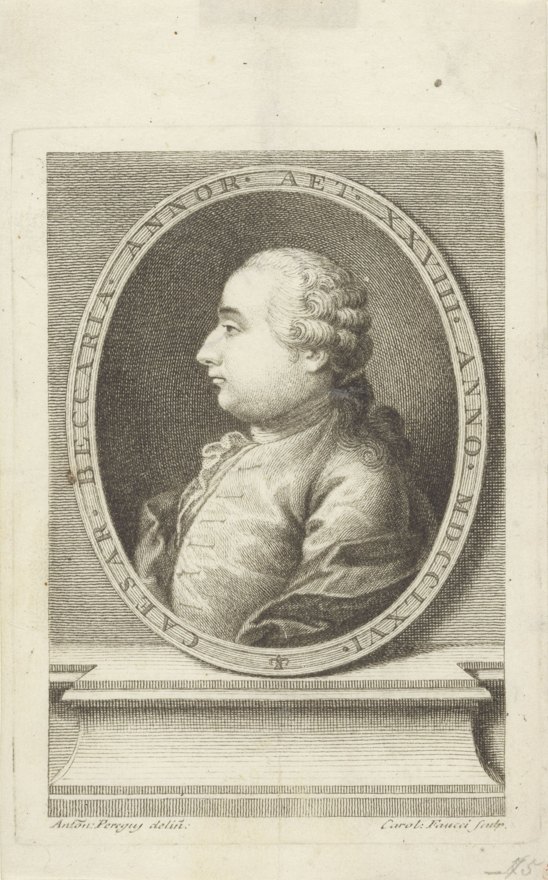
1738–1794
In On Crimes and Punishments (1764), he considered proportionality and limits on penal power. His opposition to torture and criticism of capital punishment influenced penal reform.
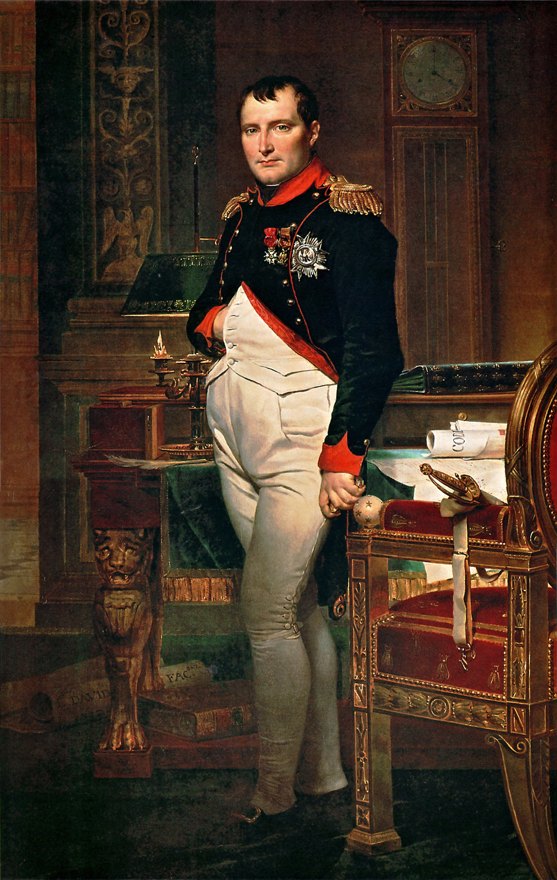
1769–1821
He backed the unification of French civil law through a code prepared by a commission of jurists. Enacted in 1804, it addressed persons, property and contracts and influenced codification outside France.
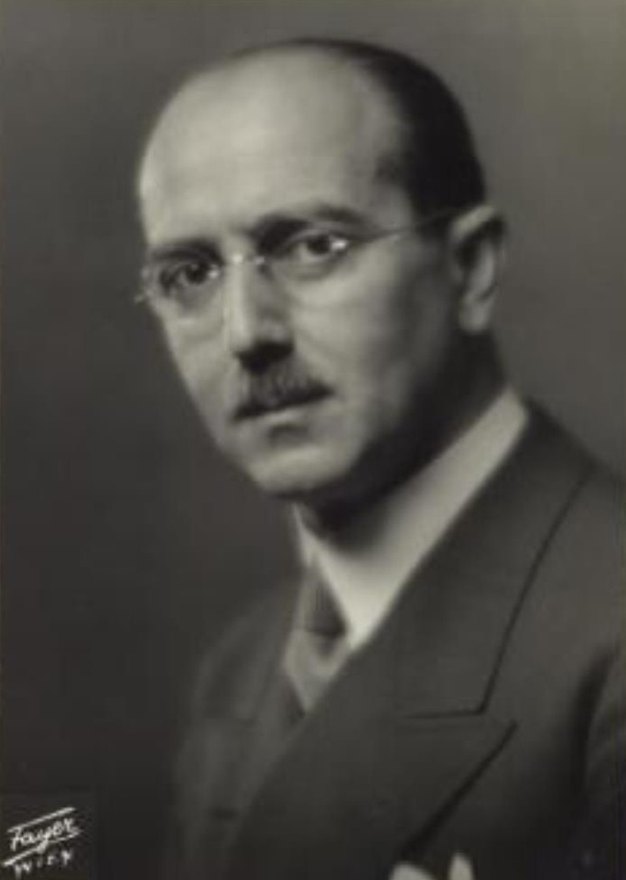
1881–1973
An Austrian jurist who developed the Pure Theory of Law. He helped draft Austria’s 1920 Constitution and served on its Constitutional Court, influencing the study of legal hierarchy and constitutional review.
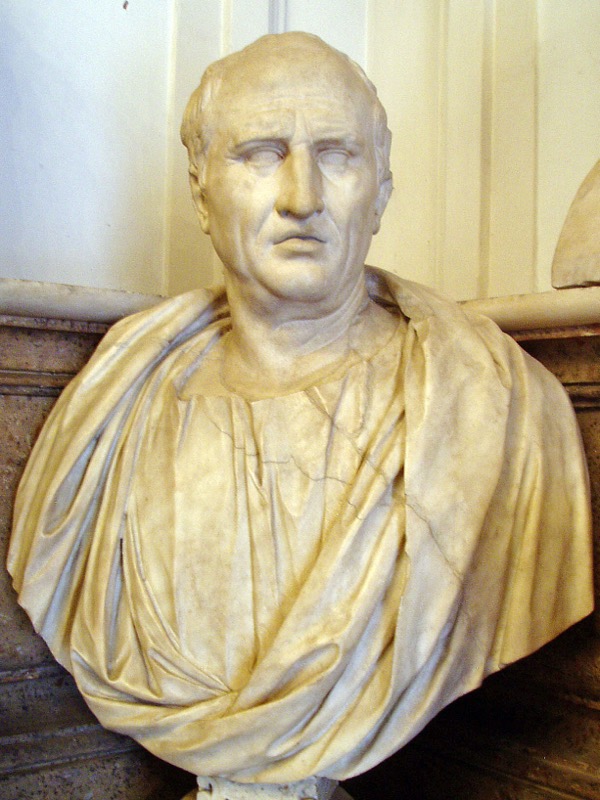
106–43 BC
A Roman orator whose surviving courtroom speeches include the defence of Sextus Roscius and the prosecution of Verres, examples of argument in the late Republic.
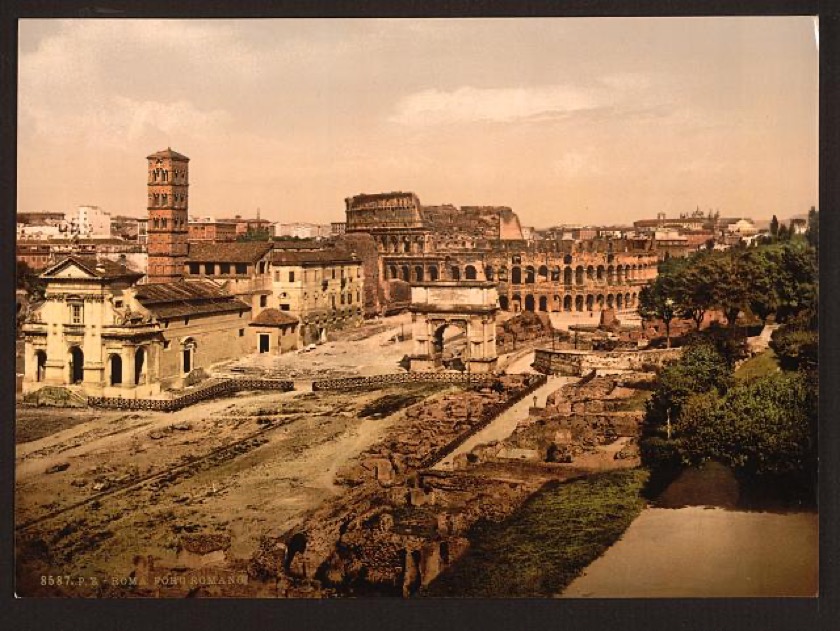
42 BC
A group of Roman women chose her to challenge a civil-war levy before the triumvirs. Appian preserves an account of her speech, an early documented example of a woman advocating for others before public authorities.
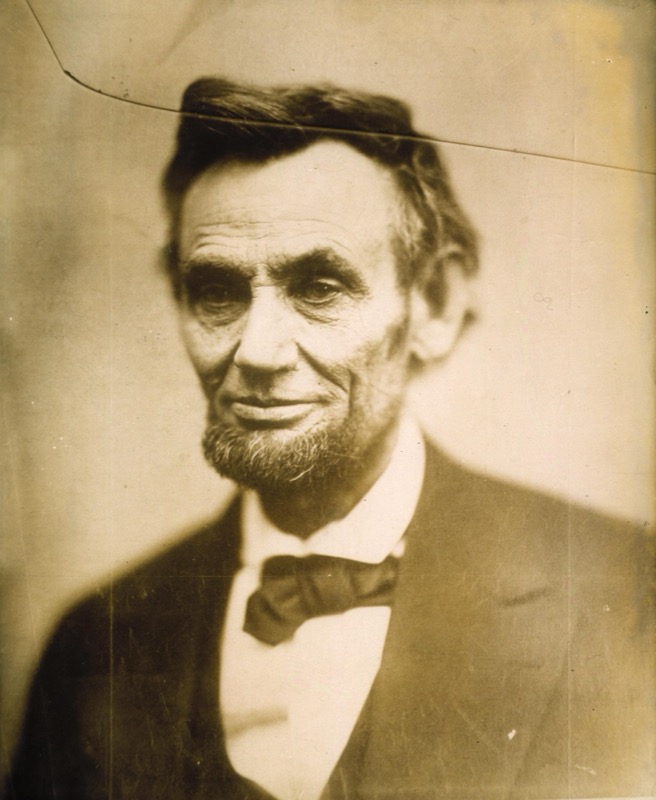
1809–1865
He practised law in Illinois before becoming president. His notes for a law lecture discuss lawyers’ honesty and the practical benefits of settlement.
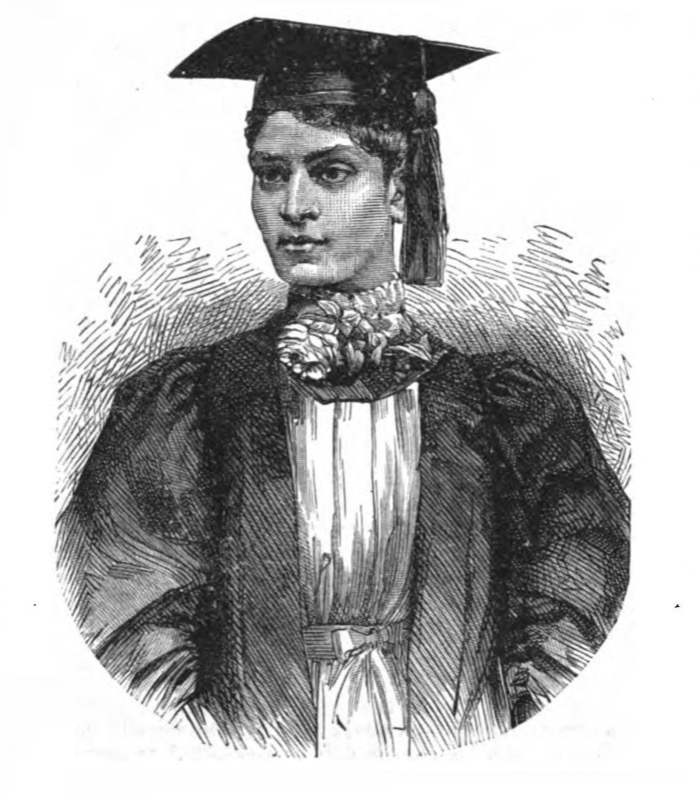
1866–1954
The first woman to study law at Oxford and a pioneer of women’s legal practice in India. She helped women who faced barriers to legal advice and representation.
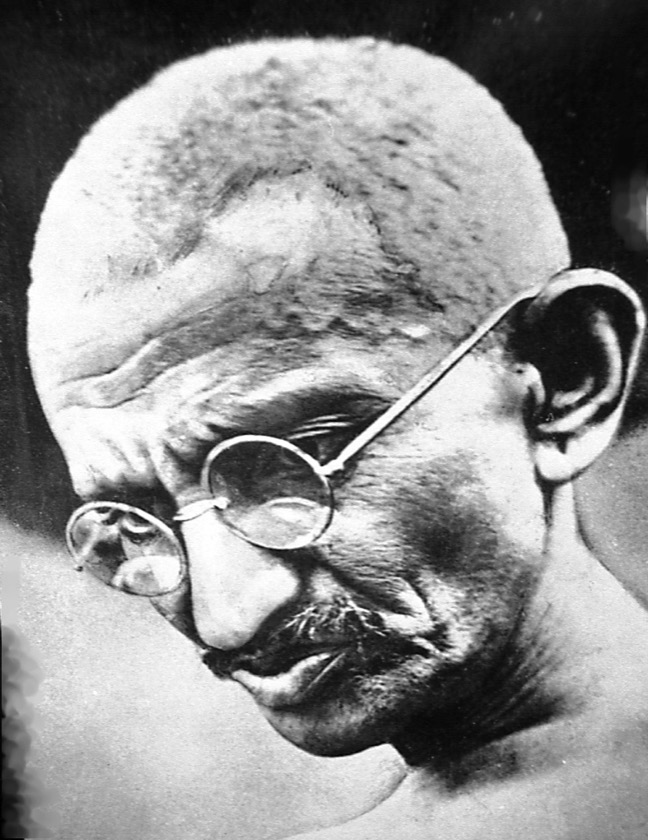
1869–1948
He studied law in London and qualified as a barrister in 1891. He went to South Africa for legal work in 1893, where his practice became closely tied to advocacy for the Indian community.
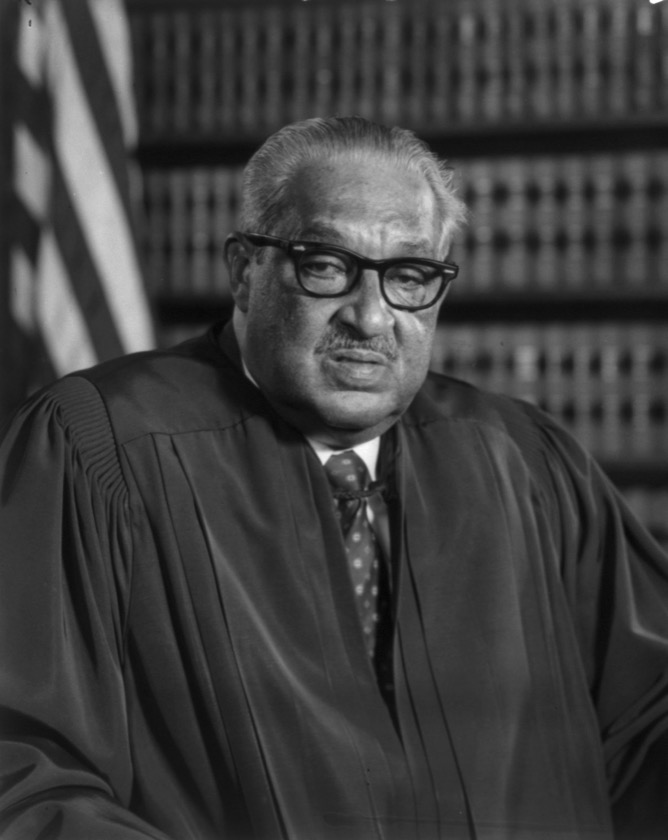
1908–1993
An American lawyer who led the arguments in Brown v. Board of Education, in which the Supreme Court ruled public-school segregation unconstitutional. In 1967 he became the Court’s first African American justice.
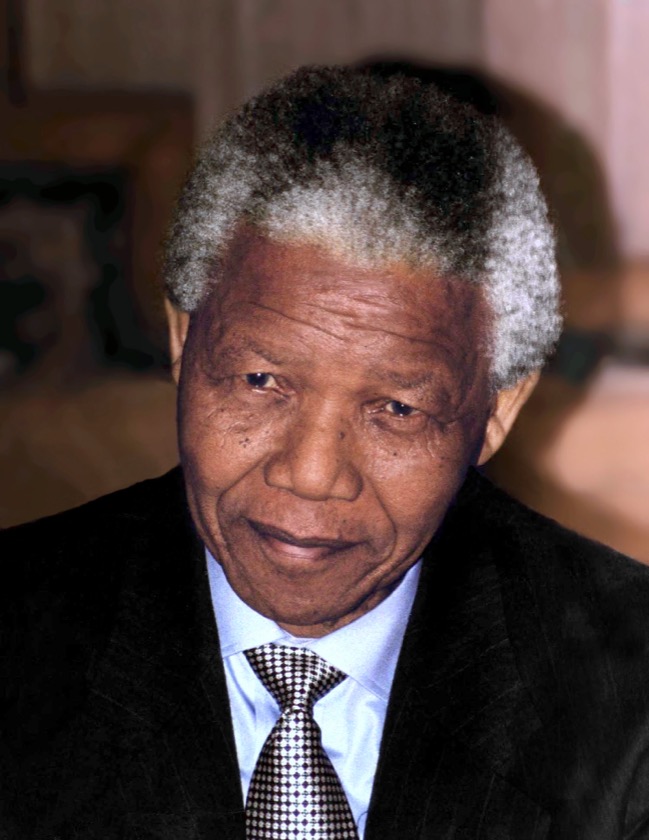
1918–2013
He practised law in South Africa and co-founded Mandela & Tambo with Oliver Tambo in Johannesburg in 1952. The firm operated under apartheid, decades before Mandela became president in 1994.
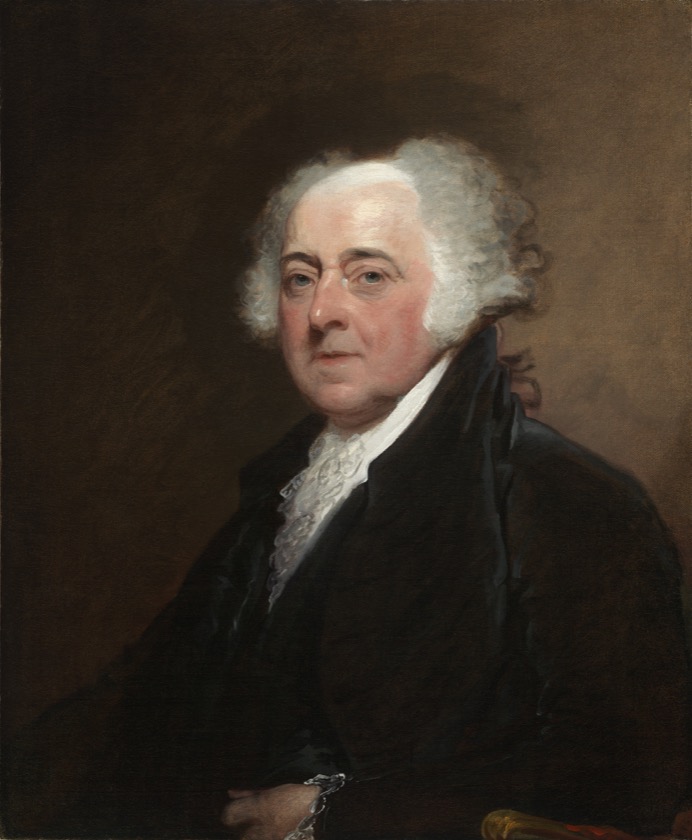
1735–1826
An American lawyer who defended British soldiers tried after the Boston Massacre of 1770. His argument illustrates the role of counsel in a case that aroused public anger and the need to weigh evidence against each defendant.
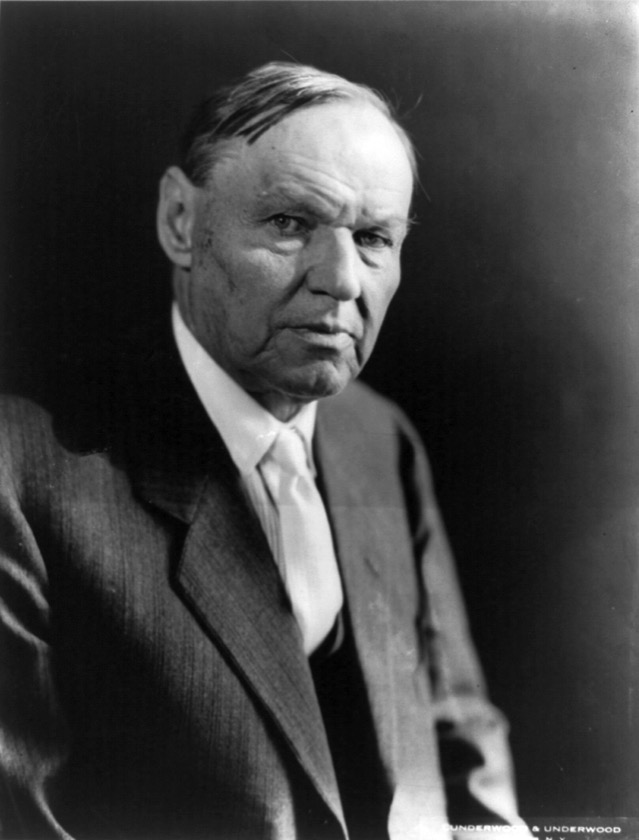
1857–1938
An American defence lawyer whose 1924 plea for Leopold and Loeb sought to avert the death penalty. The following year he appeared for the defence in the Scopes trial over the teaching of evolution.
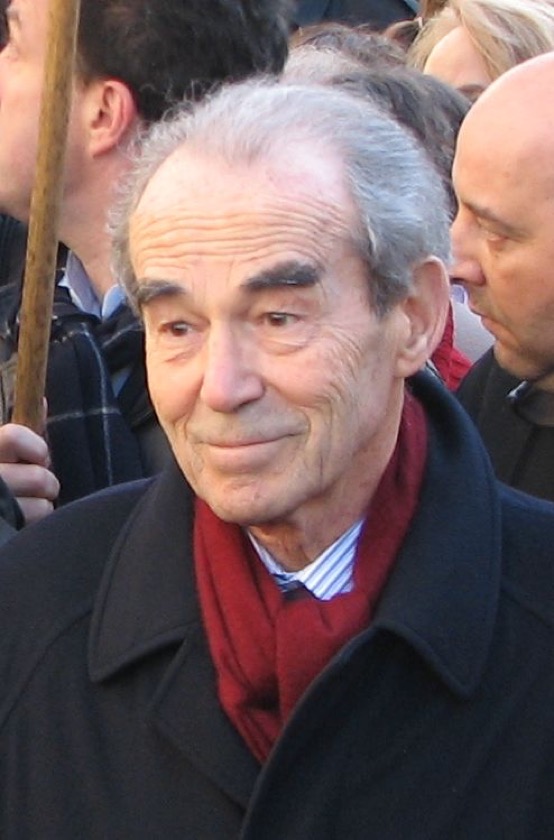
1928–2024
A French lawyer who defended clients facing the death penalty, including Patrick Henry. As justice minister he presented the bill to abolish capital punishment to the French National Assembly in 1981.

1933–2020
An American lawyer and judge who co-founded the ACLU Women’s Rights Project and argued sex-discrimination cases before joining the Supreme Court in 1993.